We’re in write-up mode
Hello everyone,
The past month (and a bit) has been quieter on the outside, with the holidays breaking up the rhythm, but a lot has been happening behind the scenes. Not much seems to be happening, but in reality, everything is slowly shifting into place. I’ve been focused on putting manuscripts together so it’s mostly just me, a laptop and a growing collection of Word documents. I’m spending most days thinking, structuring, doubting, making maps, adjusting graphs, and slowly tightening things until they begin to make sense in my own head before they can be put onto paper. It’s a slow and sometimes invisible phase of a project, but also a crucial one. But this is really the heart of the project, what will remain of it once it’s over, and it feels like I’m finally in that phase where everything we’ve built is starting to crystallise into something coherent.
Most of this time has gone into the paper about river traps. This is the one that pulls together all the work on pollen transport in Amazonian rivers and our experimental trap design. It’s been quite a head-scratching paper, as I’ve been attempting to figure out what actually happens to pollen once it leaves the forest and enters a fluvial system, and what that means for palynology and palaeoecology. It’s been a difficult paper to write, because fluvial systems are dynamic and governed by many factors, and weaving them into a clear story was not trivial, to say the least. But we’re getting there, and it feels great to be working on the concrete scientific output of PALOMA.
In the middle of all this, I travelled to Nice to meet my new team at CEPAM–FORETS, where I’ll be starting my next postdoc in April. I gave a seminar on my work and spent time with the group discussing the PAST-FORCE project, including fieldwork plans in Guatemala, lab strategies, and the broader direction of the research. We talked through concrete steps: cores, sediments, pollen, timelines. It was very exciting, and it made the next phase feel tangible (and approaching fast!). It’s quite bittersweet thinking PALOMA will come to an end soon, but I’m excited for the chapter ahead.
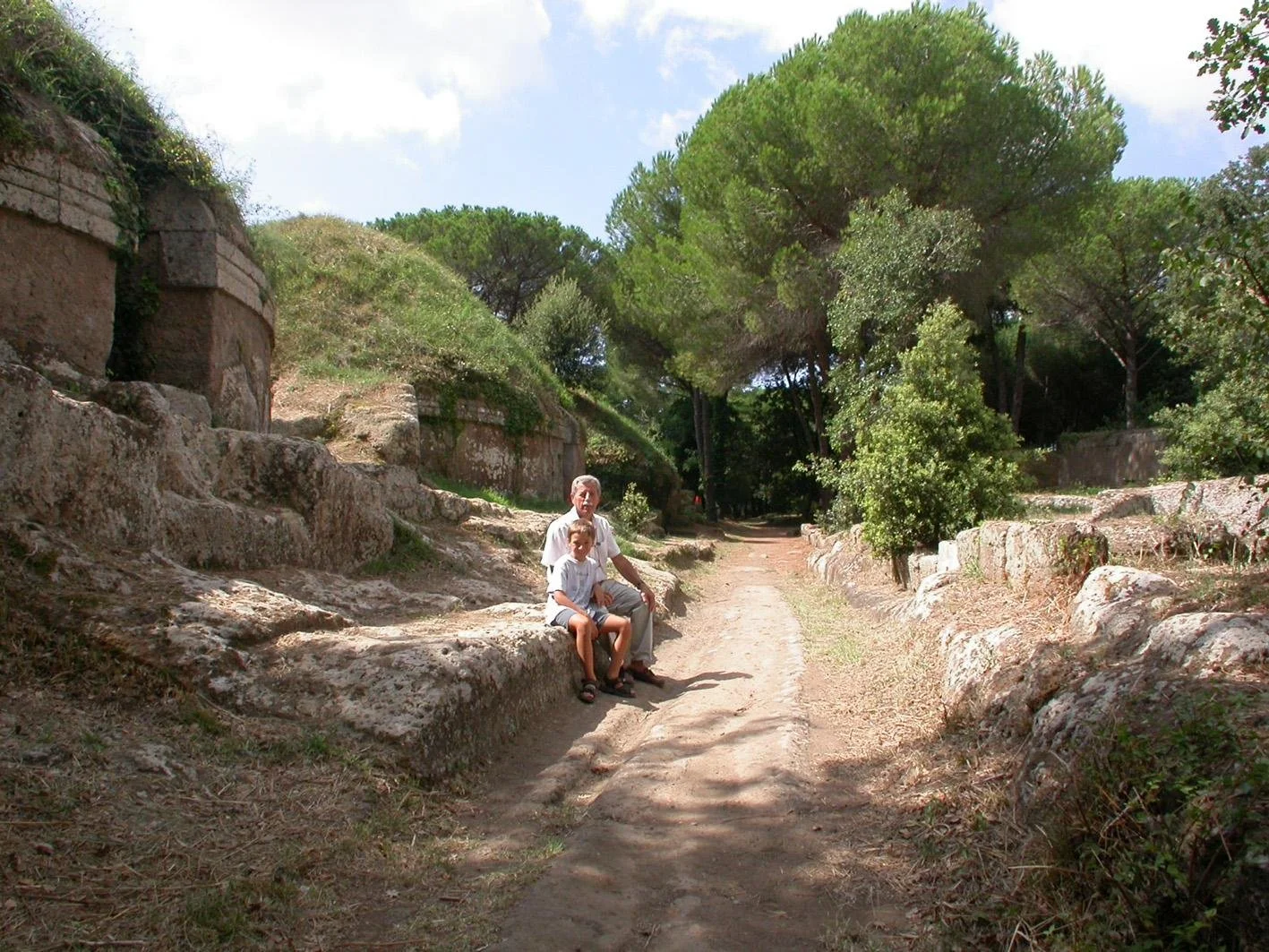
I’d like to end with a more personal note. Over the past weeks, I’ve also been navigating a quiet family loss. My grandfather, Alberto Girod, passed away during the Christmas period due to a sudden but nevertheless tough battle with leukaemia. He was loved by all of us and spent his final days surrounded by family. He followed this project with curiosity and pride. He was a malacologist, deeply interested in the ecology and biogeography of terrestrial and aquatic molluscs, and is no doubt my strongest inspiration for the career I decided to embark on. It was thanks to him that I visited my first archaeological excavations, and he took me there countless times, sparking in me a deep interest in science. With him went a steady, grounding presence in my life, but I carry his teachings, advice, and passion for nature and research with me as I continue to build my path. I was lucky to have a dedicated grandpa like him, always invested in our successes, small and big, and always ready to go on an adventure together. I was even lucky to write and publish a paper with him, on the value of Zootecus insularis as a palaeoenvironmental indicator. There is no doubt that he will be greatly missed, both by his family and all his colleagues. Thank you, Nonno.
More soon,
– Dael