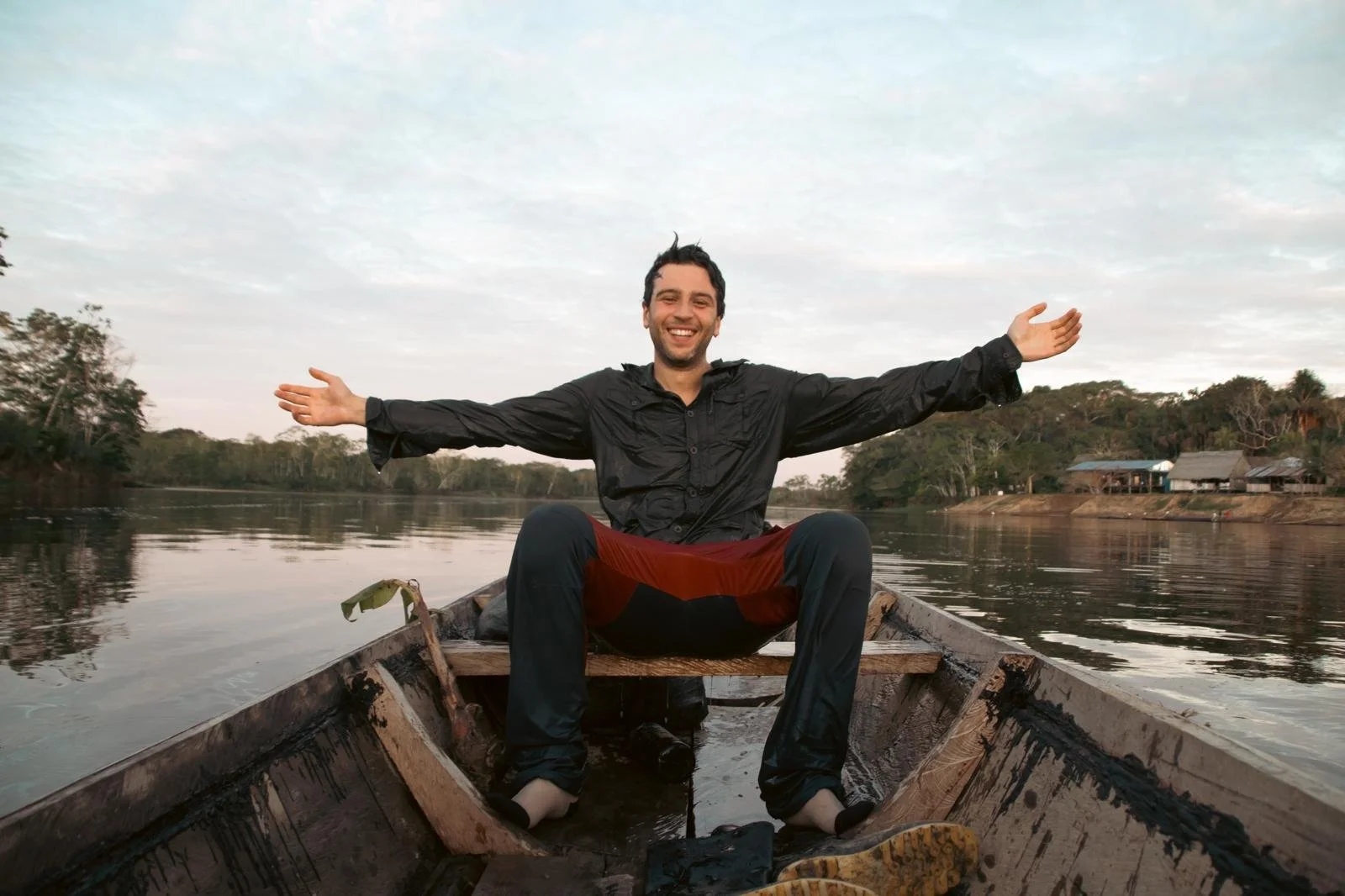
That’s all folks!
Hello everyone!
Well, I can’t believe we have finally reached the end of the project! From something Encarni and I cooked up over a coffee back in 2022, PALOMA has been completed. Two years truly fly by if you’re busy and having fun.
Since my last update, I’ve focused on finishing up data collection and analysis, tying up loose ends, and making sure everything we’ve built over the project is clear and ready to be written up as papers. I’ve tracked down and added more data to the Amazonian Lowland dataset, counted the last samples, and finished all the analyses for both the Amazonian pollen database and my modern samples from Peru. The PRIMA software is slowly progressing as a Python package, the river traps paper is finally written and revised, Giulio’s paper on Erythroxylum is polished, and the next papers are outlined. I’ve also wrapped up meetings, inventories, and data handovers to make sure PALOMA ends well.
Being an MSCA postdoctoral fellow has been an amazing experience. It gave me the freedom and support to explore ideas I care about, design and run fieldwork in the Amazon, do A LOT of outreach, and take my research into new areas of palaeoecology and palynology. I’ve had the chance to work with international collaborators, spend time in Montpellier and Aarhus, visit Brussels and Amsterdam, and create solid connections with researchers and friends in Peru. I’ve traveled, met new people, and built networks that will last beyond this project. I’m truly grateful for the trust and support this fellowship has given me.
Looking back, I realize how much I’ve learned during this project, from all the training, collaborations, secondments and even my own mistakes. Living and working in Barcelona has been unforgettable. Being part of GEO3BCN, joining outreach activities, and even making a documentary have given me a new perspective on science that goes beyond just data and papers. It’s shown me that research is part of a community, both local and global, and that sharing our work matters as much as doing it.
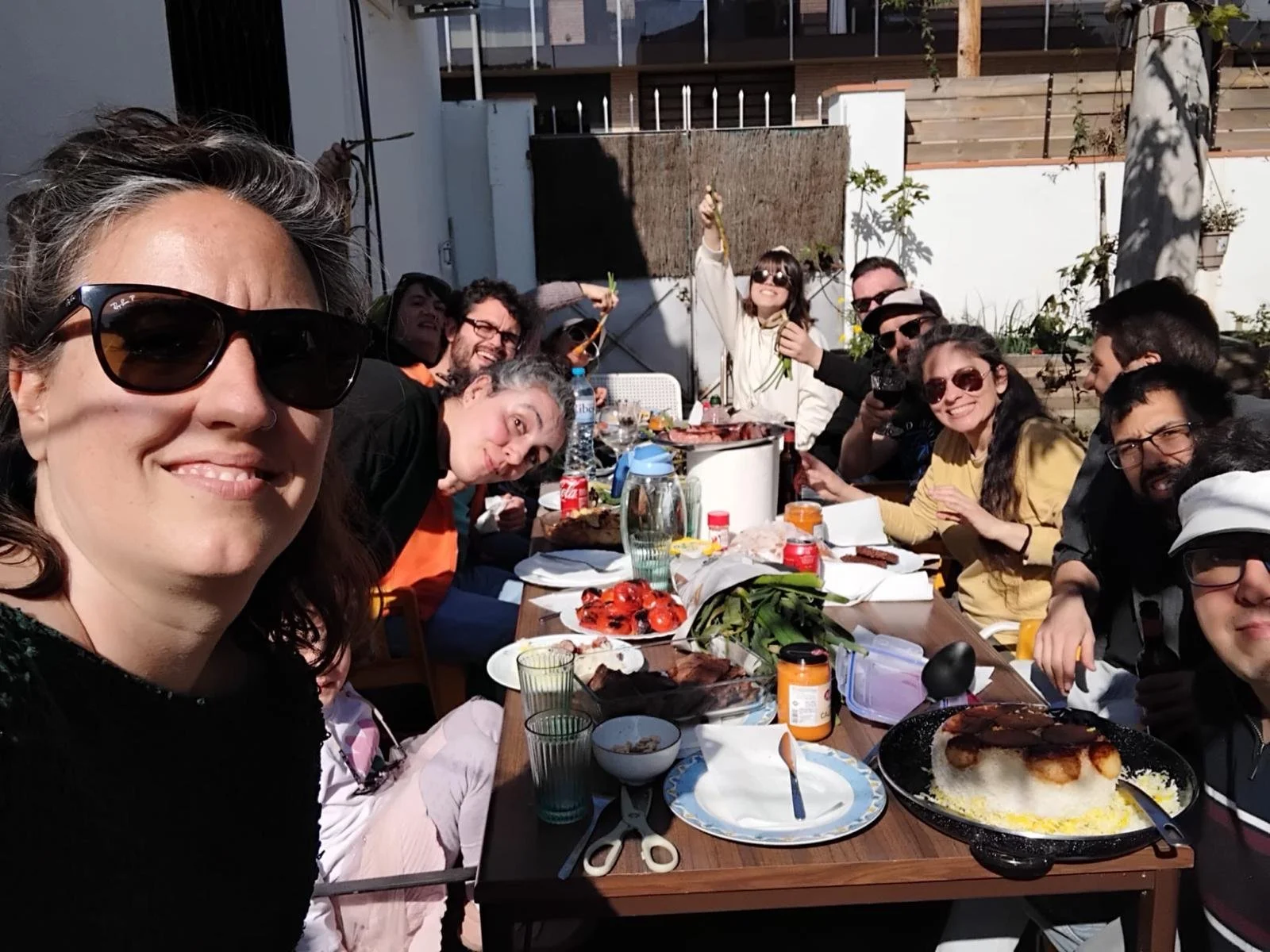
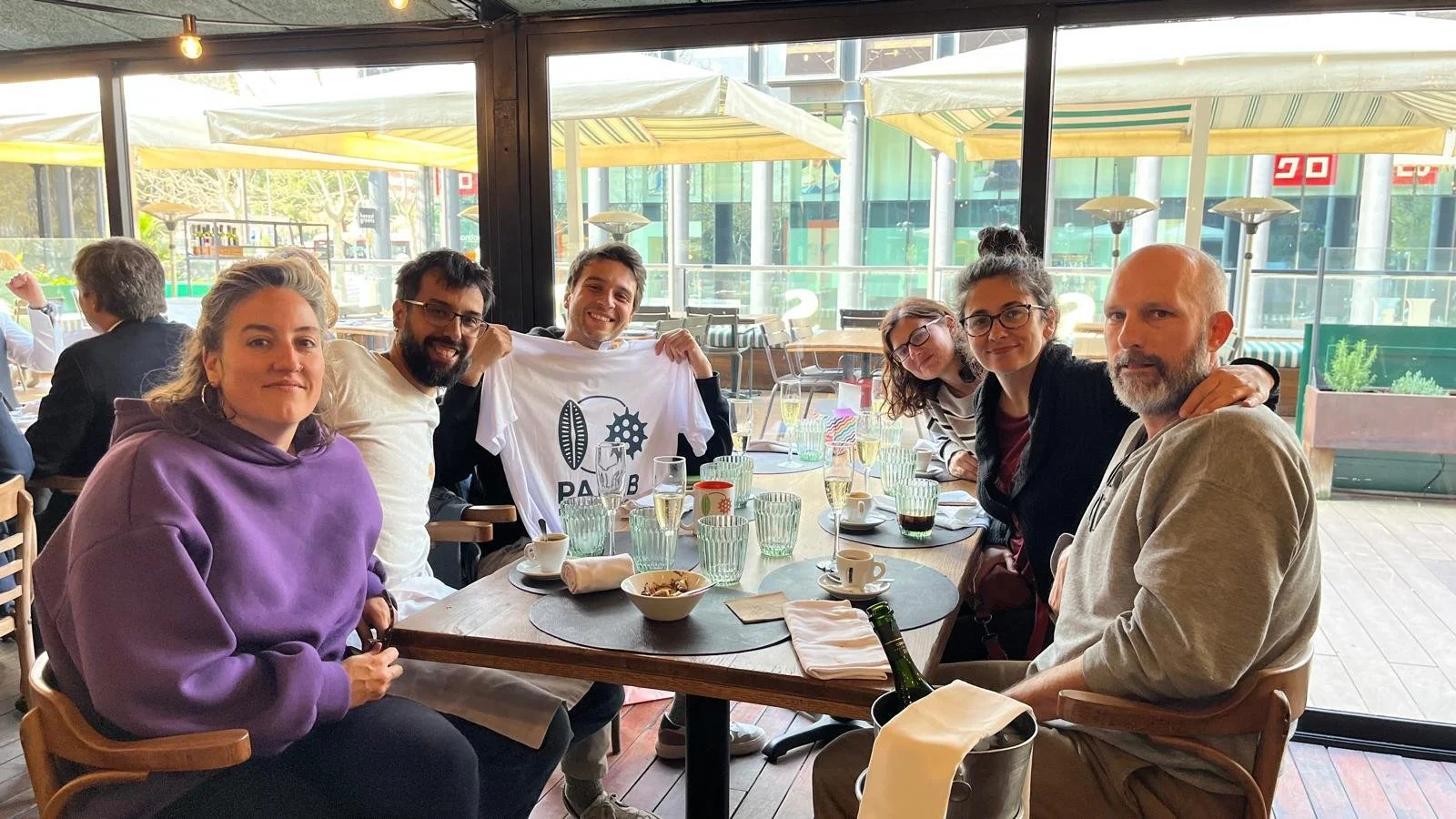
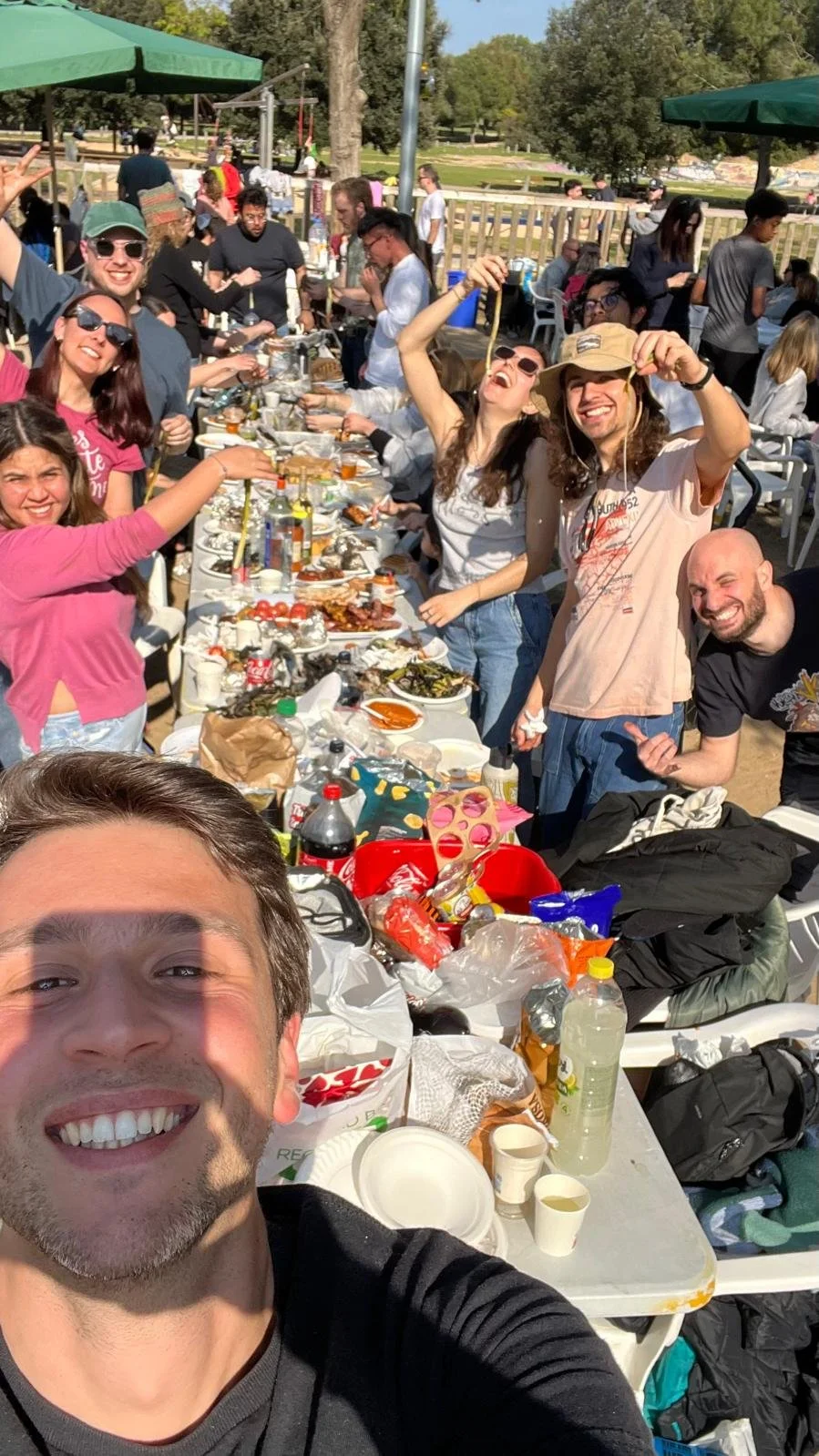
Going back to Peru after my PhD was a true highlight. Going on my own and planning the field trips are always a challenge, but meeting so many great people at IIAP made it feel like coming home. I’m especially grateful to Ander for all the guidance and support, and to everyone I met in the field who made those trips so memorable. Being back in the Amazon reminded me why I chose this path—the forests, the rivers, the complexity of these places, and the people who care for and study them.
PALOMA has also been a time of growth for me in many ways, not just scientifically but in how I approach research every day. Working closely with Encarni has taught me a lot and made me a better researcher. Her enthusiasm and way of breaking down problems, pushing ideas further, and turning uncertainty into something workable has genuinely changed how I think and work. I’m also very grateful to Mari and Nuria for their support in the lab and their openness to discuss ideas and brainstorm together. Developing protocols together at PALAB was a fun collaborative process where I felt safe to try, adapt, and improve things.
Thinking about all of this, I see how much PALOMA has shaped me as a researcher. I’ve learned to handle uncertainty, work with complex datasets, manage projects from the field to the lab to publication, and share science in meaningful ways. I’ve learned to trust my judgment, work well with others, and accept the unpredictable side of fieldwork and research. The connections I’ve made with colleagues, collaborators, and friends—in the lab, at conferences, and during my travels—have been just as important as the science itself.
Finishing PALOMA is bittersweet. It’s tough to leave a project that’s been such a big part of my daily life and that’s taught me so much. But it’s also exciting. The work we’ve done leaves something which I hope can have a lasting impact on the palaeo/palyno community, and our future plans (as there’s always work left to do after a postdoc) can hopefully continue to contribute to this field. Besides, even though I’m leaving GEO3BCN and PALOMA is finished, I will still be continuing my journey as palynologist during my new position at the CEPAM-FORETS (CNRS) department in Nice! Guatemala, here we come!
I’m quite proud of what we’ve accomplished, grateful to everyone who helped and supported this work, and excited for what comes next.
More soon,
–Dael